

Outdoor ground spotlights
Ground spotlights are recessed fixtures that illuminate trees, shrubs, walls and facades from below. They disappear into the ground during the day and are clearly visible in the evening due to the lighting effects they create on facades and plants.
Filter and sort
15 products

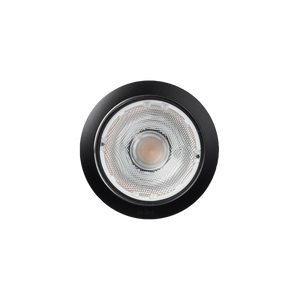 in-lite BIG FLUX Ground Spot - For Facades and Tall Trees €164,00 /ZwartPearl GreyStainlessSteelAvailable in 3 colors


 in-lite DOT with RING 68 - for driveways and garden paths €144,00 /ZwartPearl GreyStainlessSteelAvailable in 3 colors
 in-lite SMART FLUX TONE With RING 68 - Colour lighting €274,00 /ZwartPearl GreyStainlessSteelAvailable in 3 colorsMulticolor


 In-Lite FUSION 22 - Small Ground Spot (with ring) €70,00 /ZwartPearl GreyStainlessSteelAvailable in 3 colors3 Kleuren


